
01 / Running
Running pace calculator
Enter a distance and total time to see average pace and speed.
10.0 km/h
Community, training, food, wearables and progress, explained clearly, sourced carefully and built around decisions you can actually use.
Turn a couple of common fitness questions into something you can use. These are general planning tools, not medical or performance prescriptions.
Open calorie, protein and workout calculatorsEnter a distance and total time to see average pace and speed.
Compare a week with the UK adult guideline of 150 moderate-equivalent minutes and strength activity on two days.
Each guide answers one real search with practical steps, transparent sources and clear limits where the evidence cannot promise certainty.
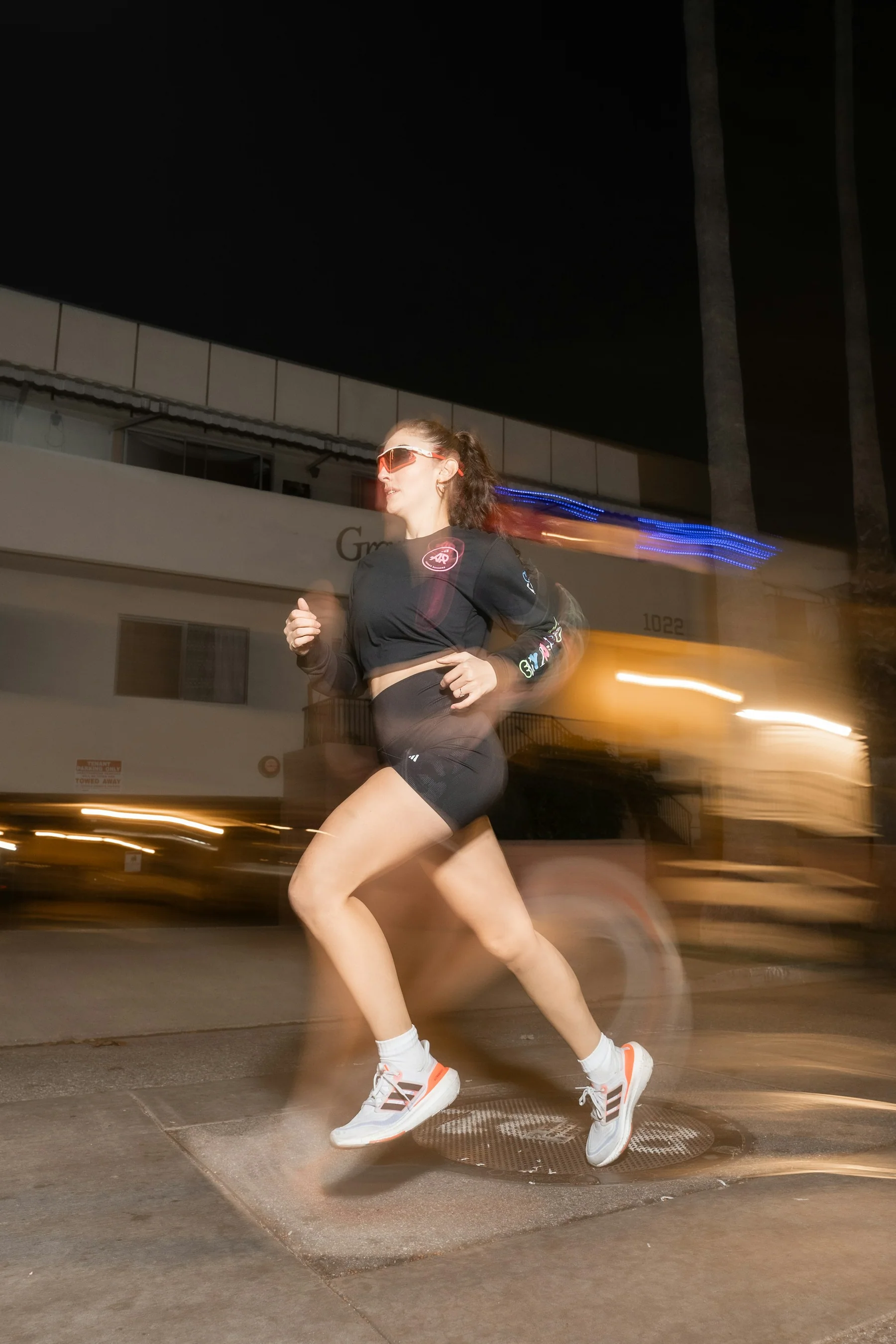
Understand steps, active minutes, heart rate, sleep, calories and fitness estimates, including what each metric can and cannot tell you.
9 min readRead the guide 02
02Know what to ask, what to bring and how to choose a beginner run club that supports your current pace.
Read guide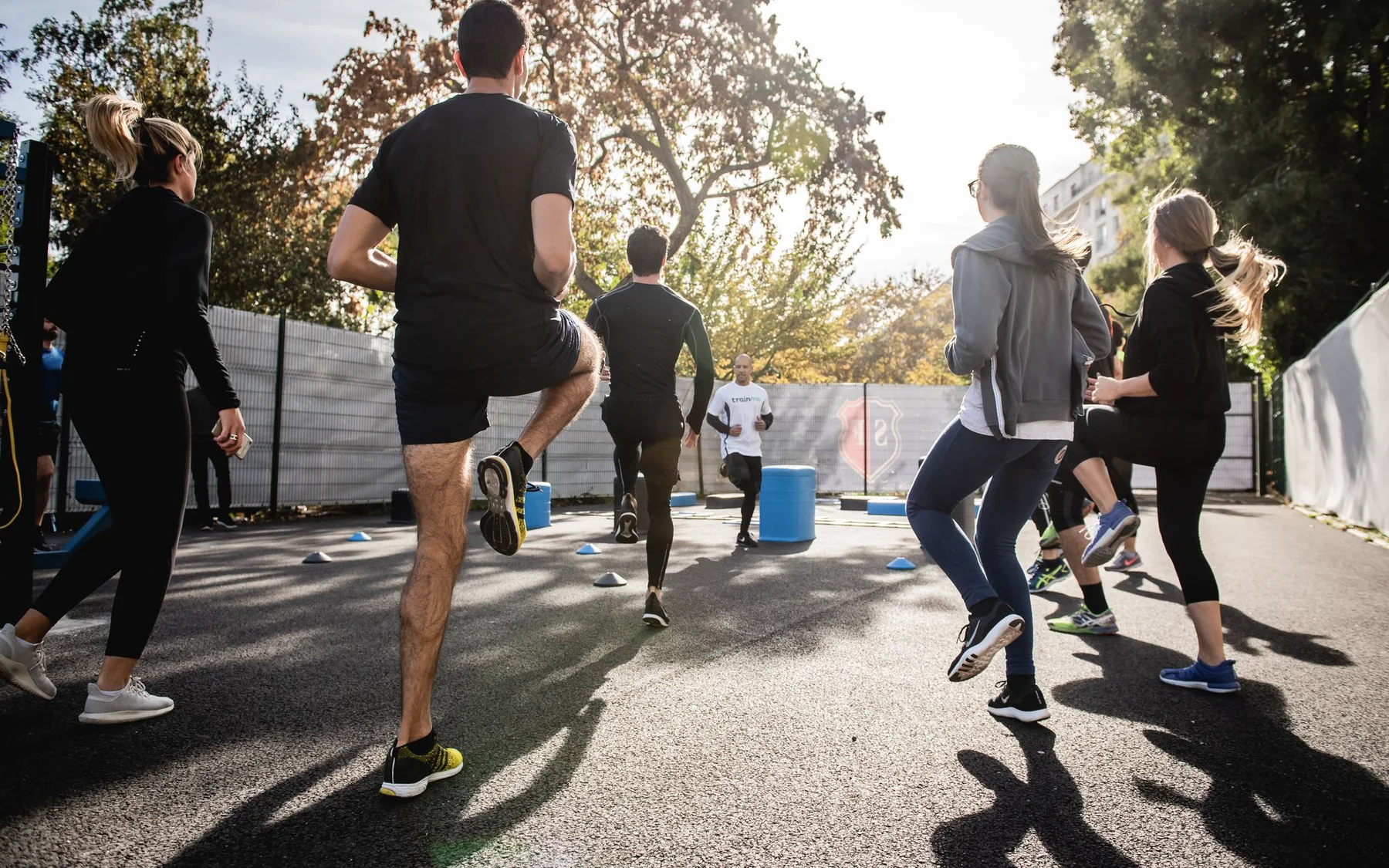 03
03Create an individual, friend, community or workplace walking challenge without turning one step target into a rule for everyone.
Read guide 04
04A practical guide to finding workout groups near you, trying a first session and choosing a community you will actually want to return to.
Read guide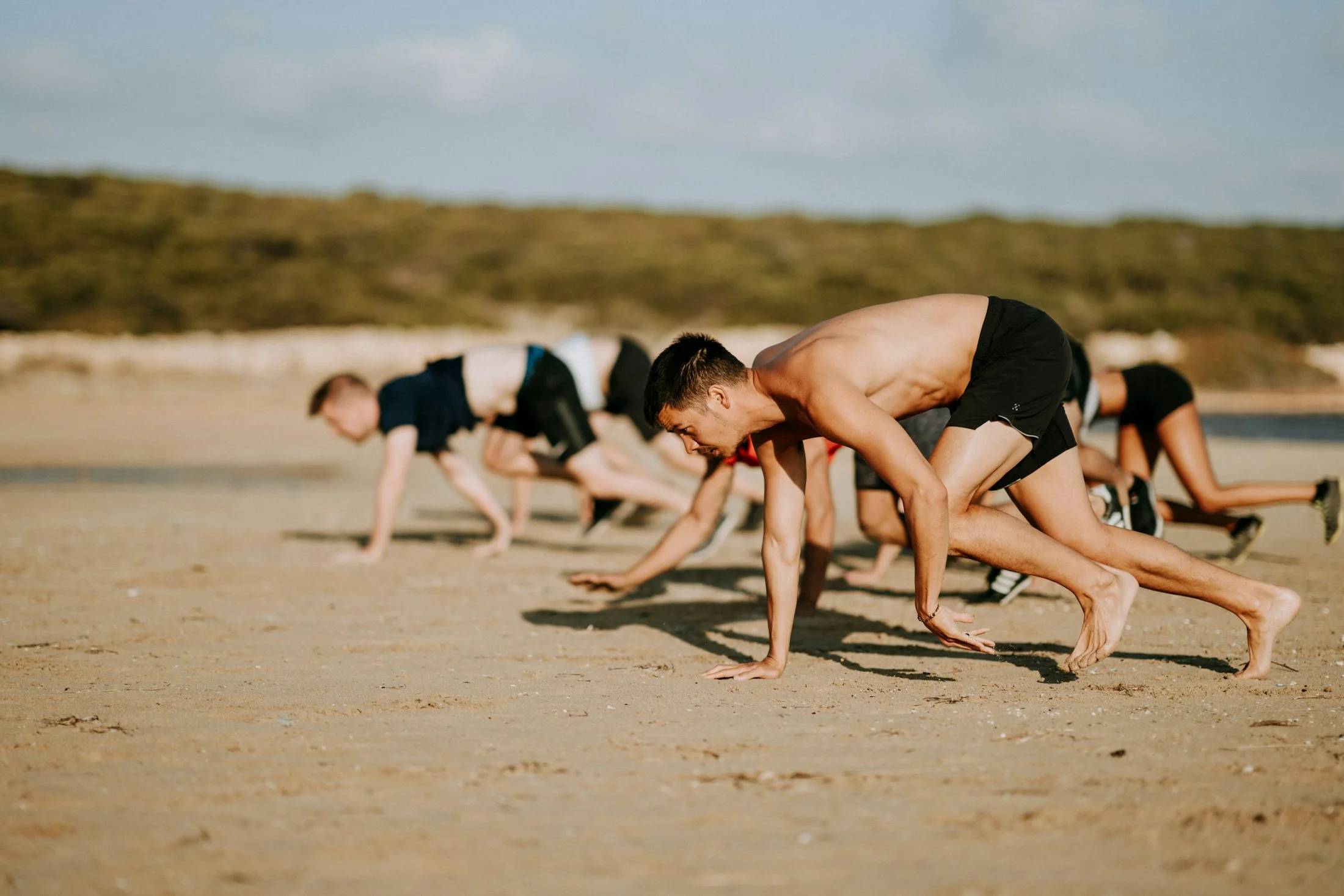 05
05Plan a safe, welcoming walking club with a clear purpose, accessible route and simple first-month format.
Read guide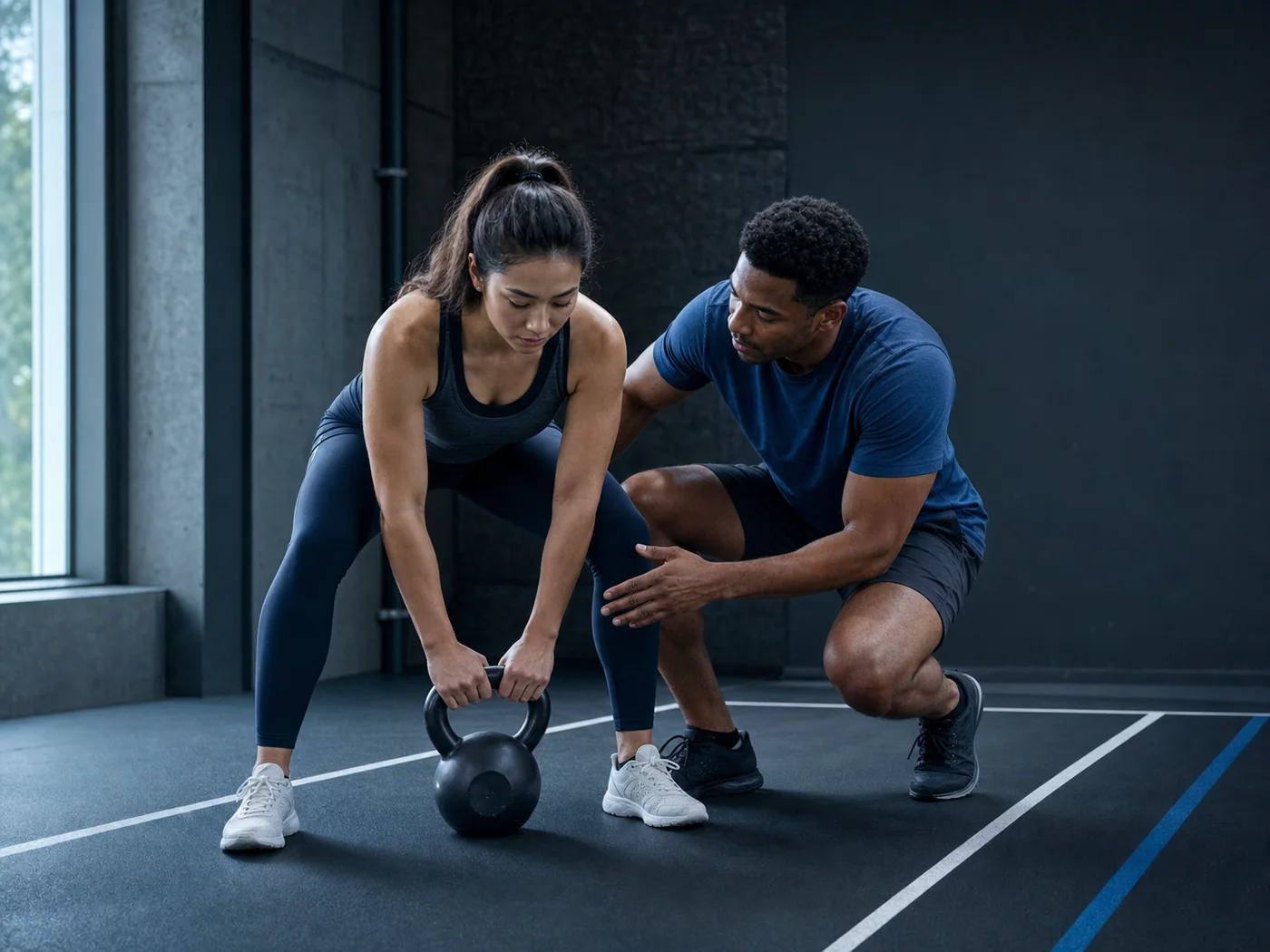 06
06Find someone whose schedule, expectations and communication style make training easier to repeat, then agree how you will train together.
Read guide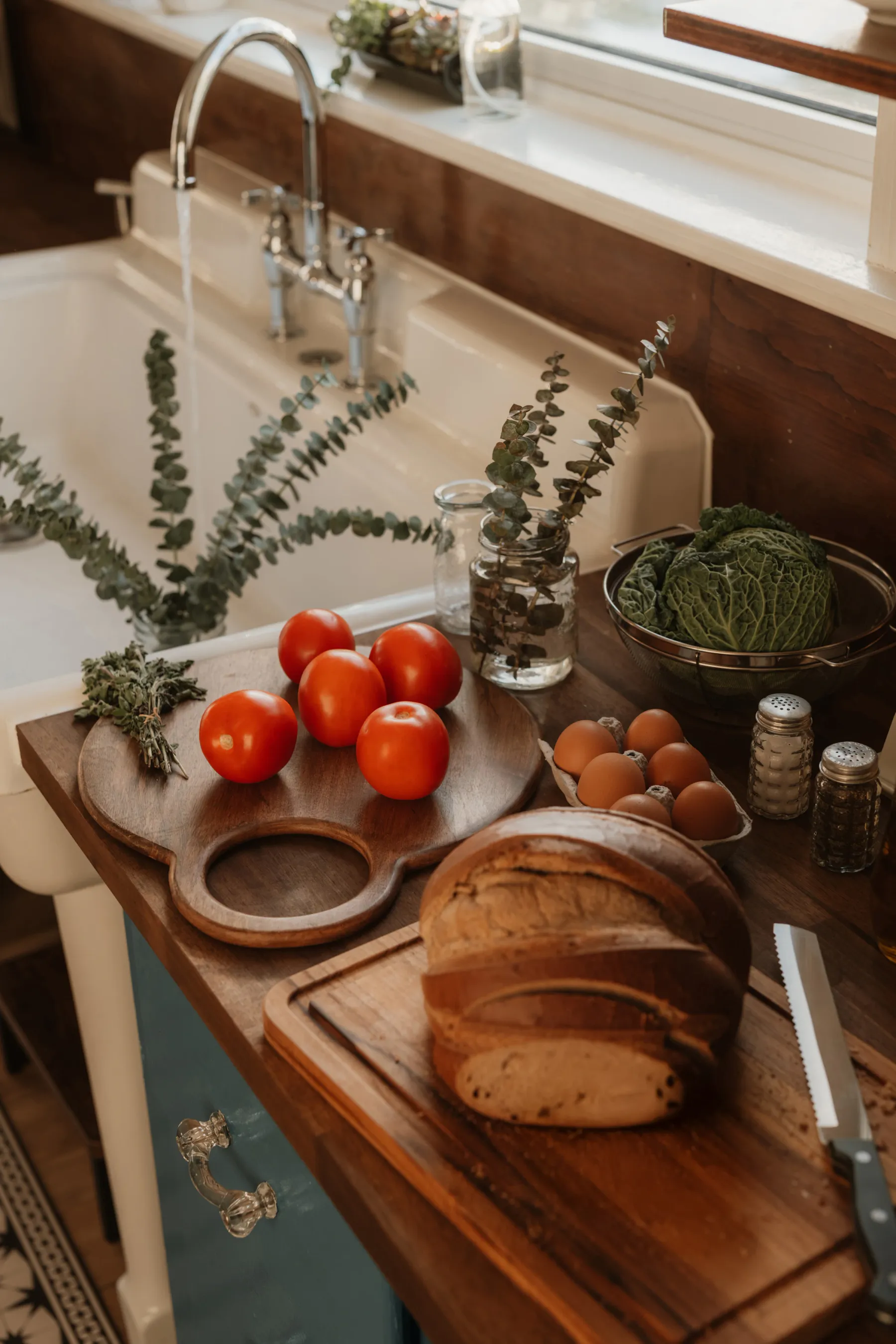 07
07Use a flexible meal formula, overlapping ingredients and honest food logging to make active-week meals cheaper and easier to repeat.
Read guide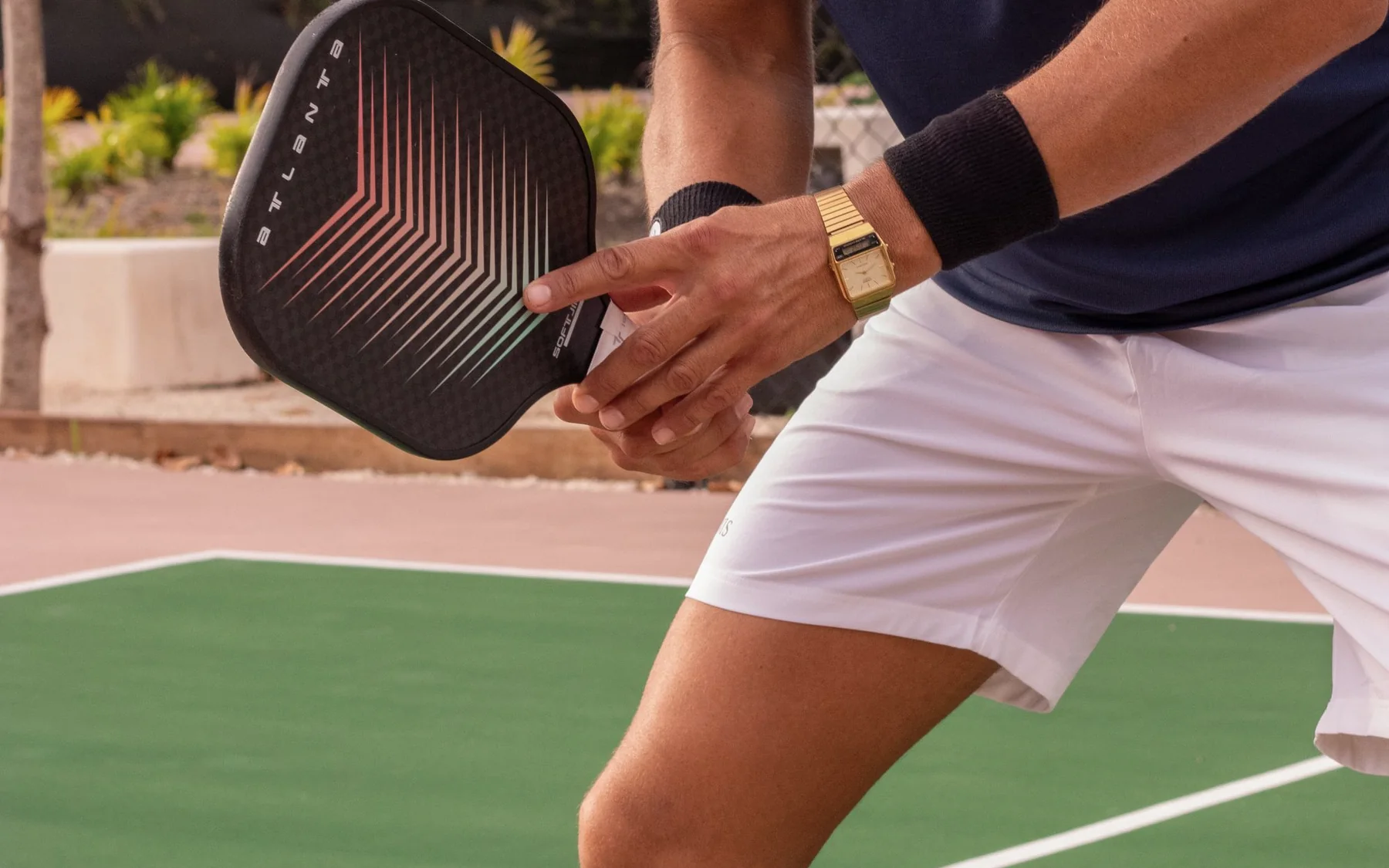 08
08Learn the serve, two-bounce rule, non-volley zone and open-play etiquette before your first beginner pickleball session.
Read guide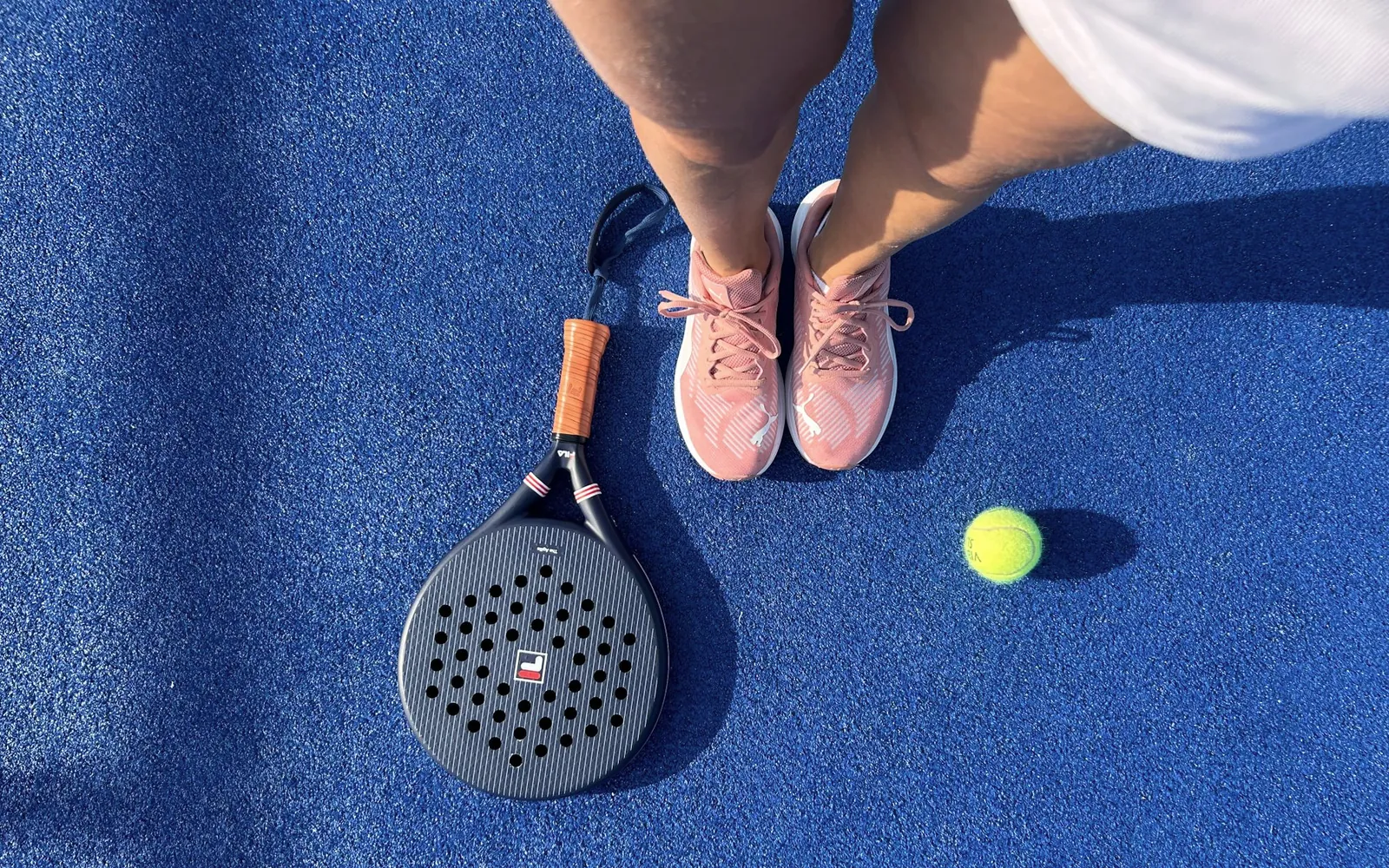 09
09Learn how the enclosed court, walls, underarm serve and doubles positioning work before your first beginner padel session.
Read guide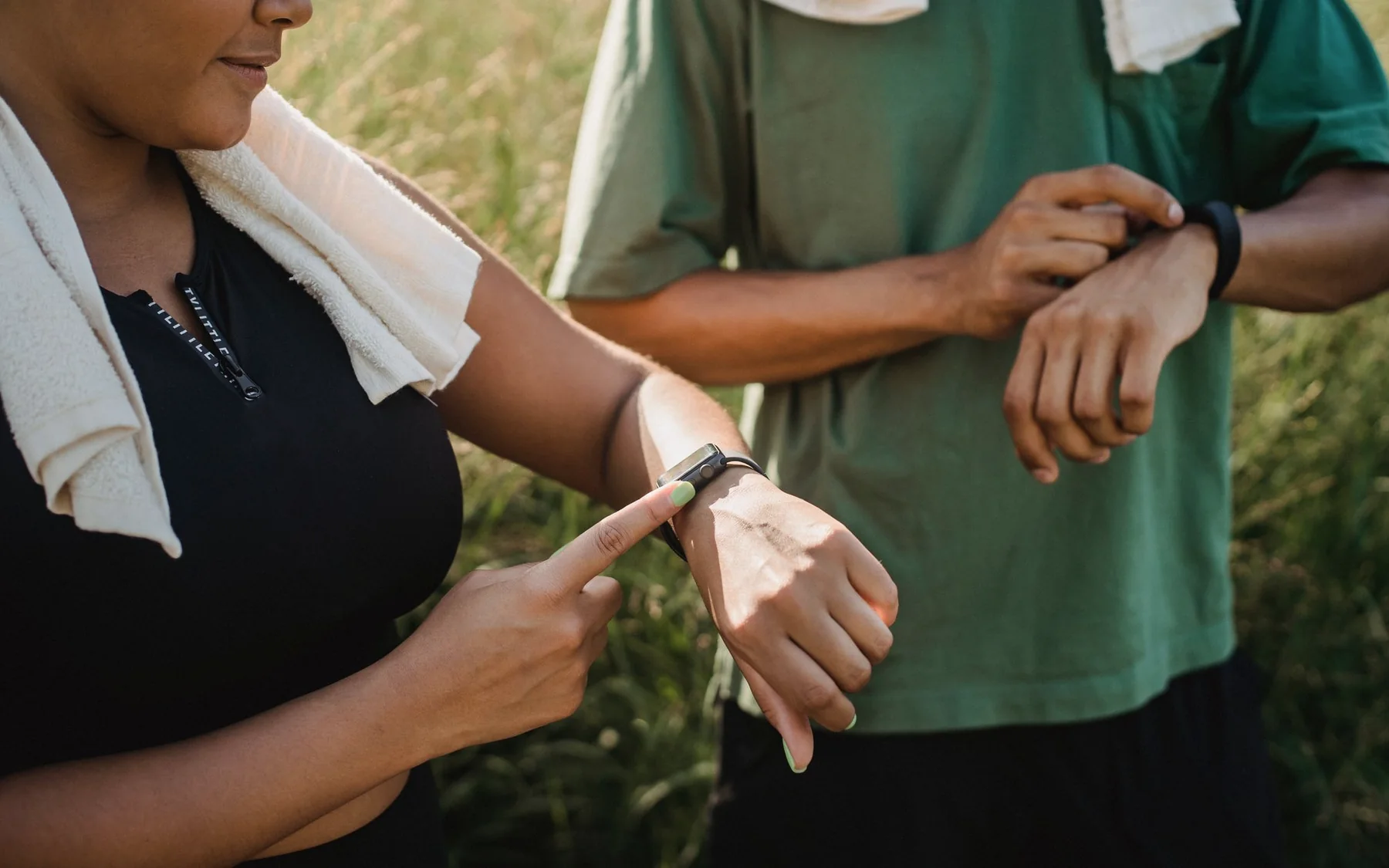 10
10Build an accountability system that supports consistency, protects privacy and helps you recover from missed sessions.
Read guide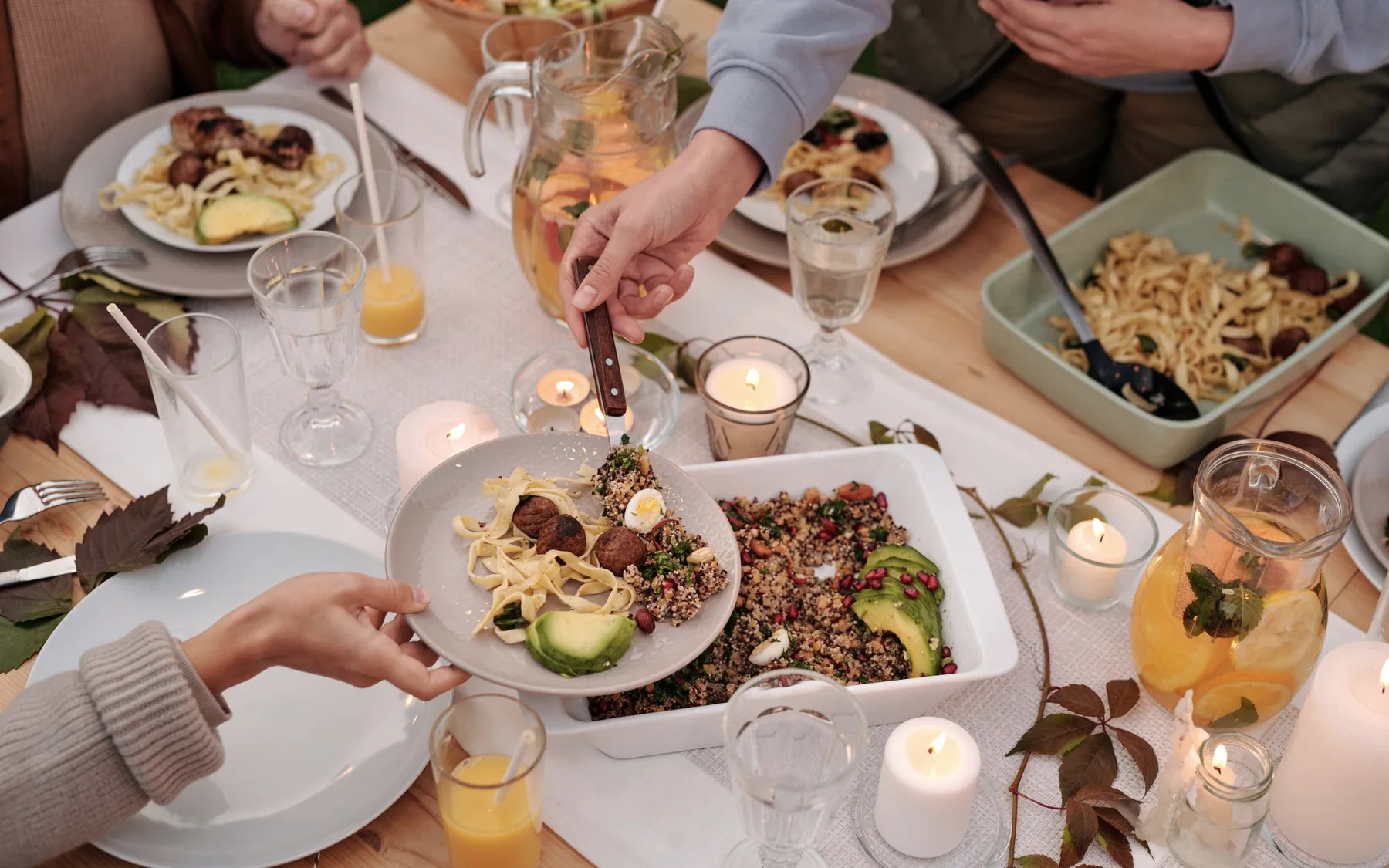 11
11A practical way to record homemade, shared and restaurant meals when you do not know every ingredient or portion weight.
Read guide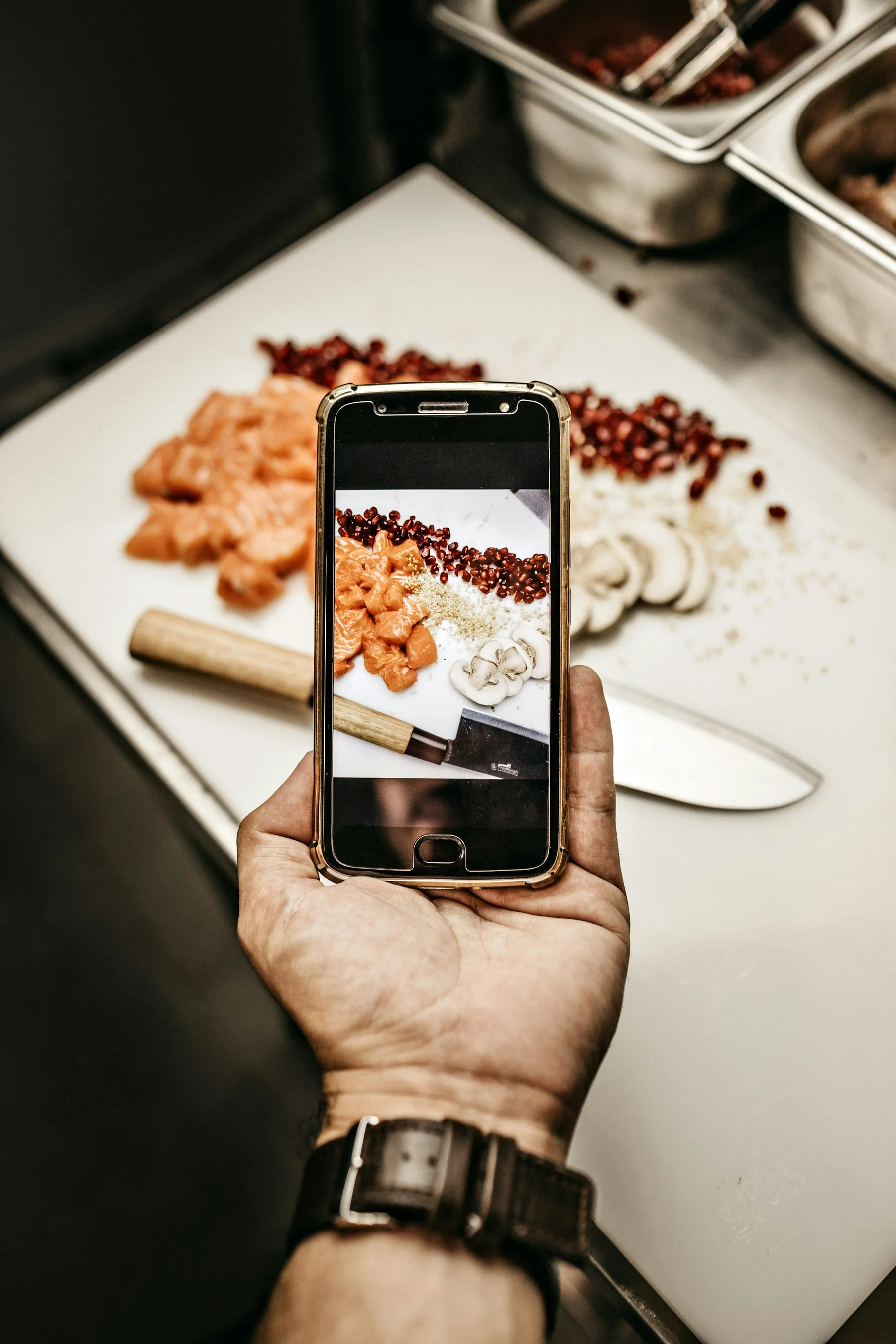 12
12What a food photo can estimate, what it cannot see and how to get a more useful calorie and macro result.
Read guide 13
13A simple beginner-friendly workout log: exercises, sets, repetitions, load, effort and the context that helps next time.
Read guide 14
14Progress is wider than the number on a scale. Learn which training, consistency and recovery signals are worth reviewing.
Read guide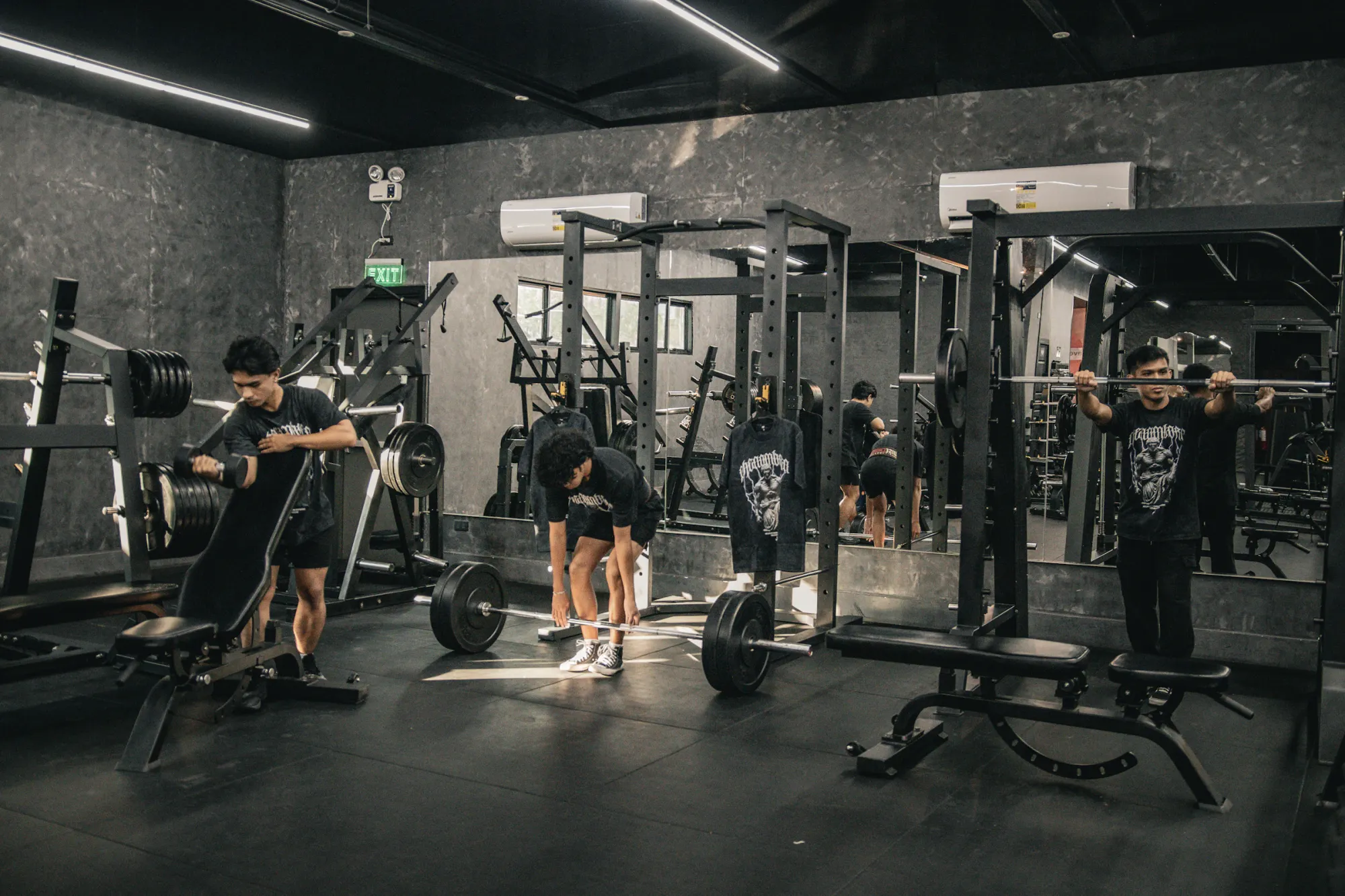 15
15A plain-English guide to the UK activity guidelines and how walking, training and strength work can fit into a real week.
Read guide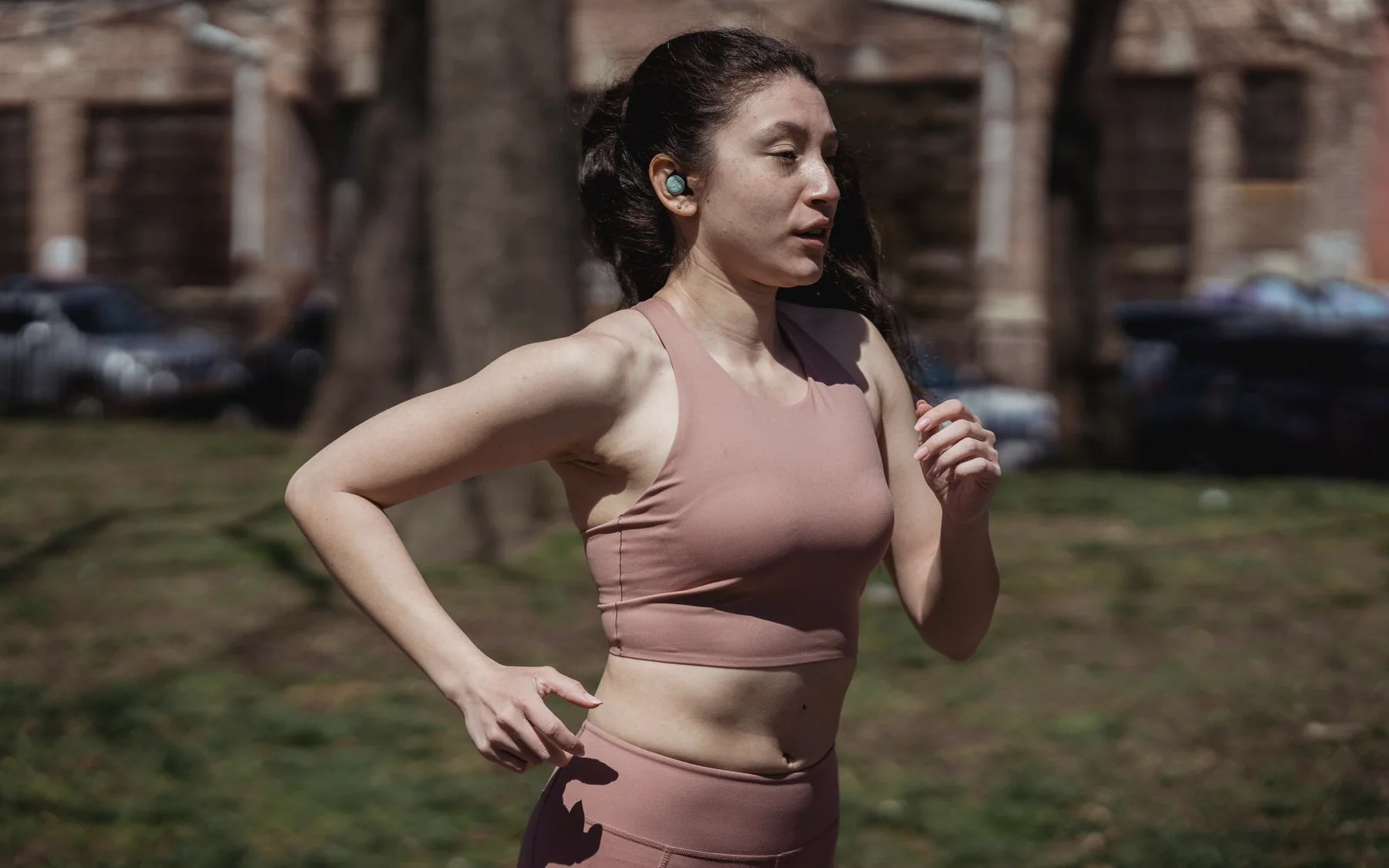 16
16A gradual route from walking to running, with a simple way to record effort, recovery and the small wins that make consistency visible.
Read guide 17
17Work out minutes per kilometre, understand the difference between pace and speed, and avoid letting one number run the whole session.
Read guide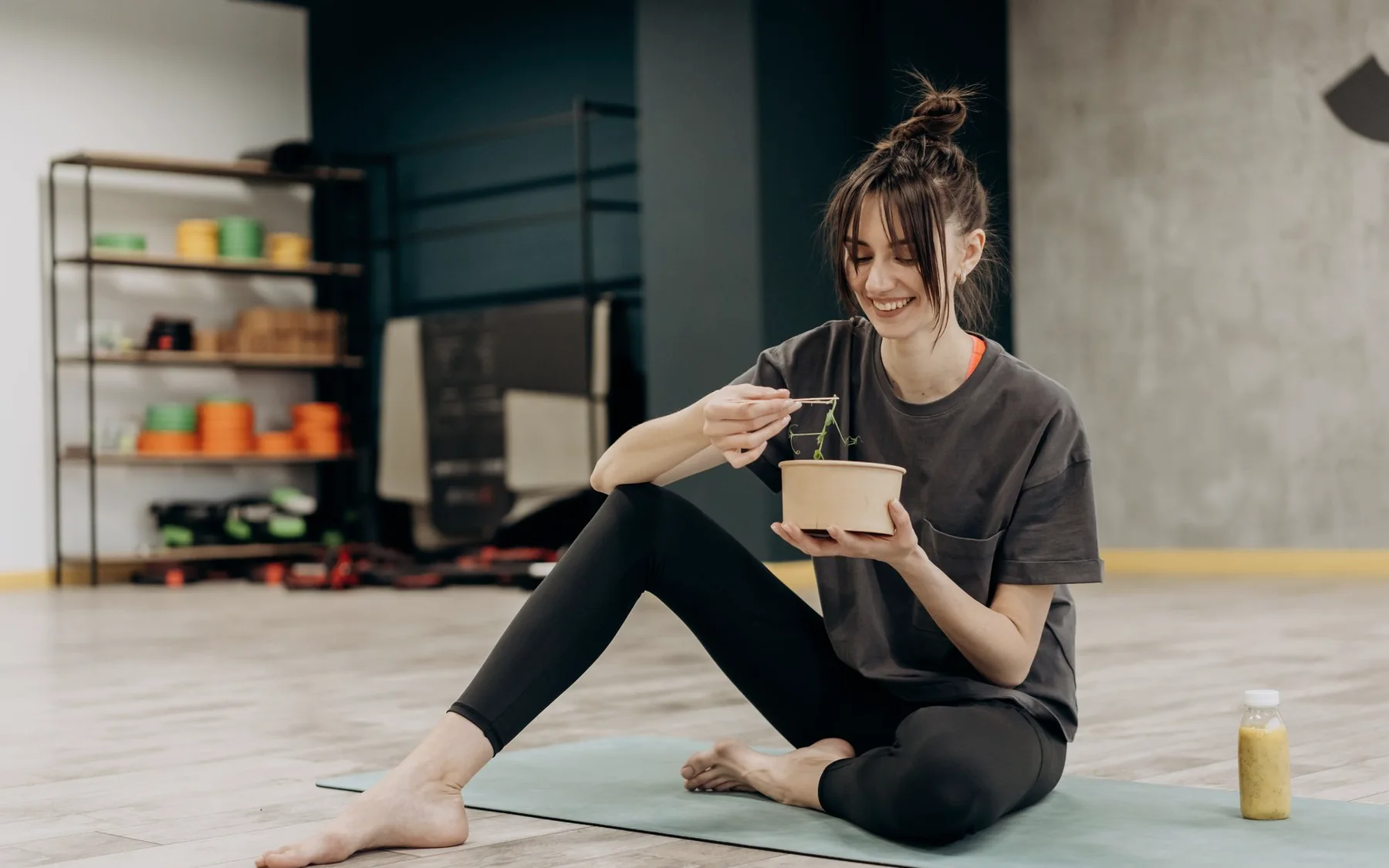 18
18A practical guide to timing, carbohydrate, protein and hydration without turning ordinary training into a complicated nutrition protocol.
Read guide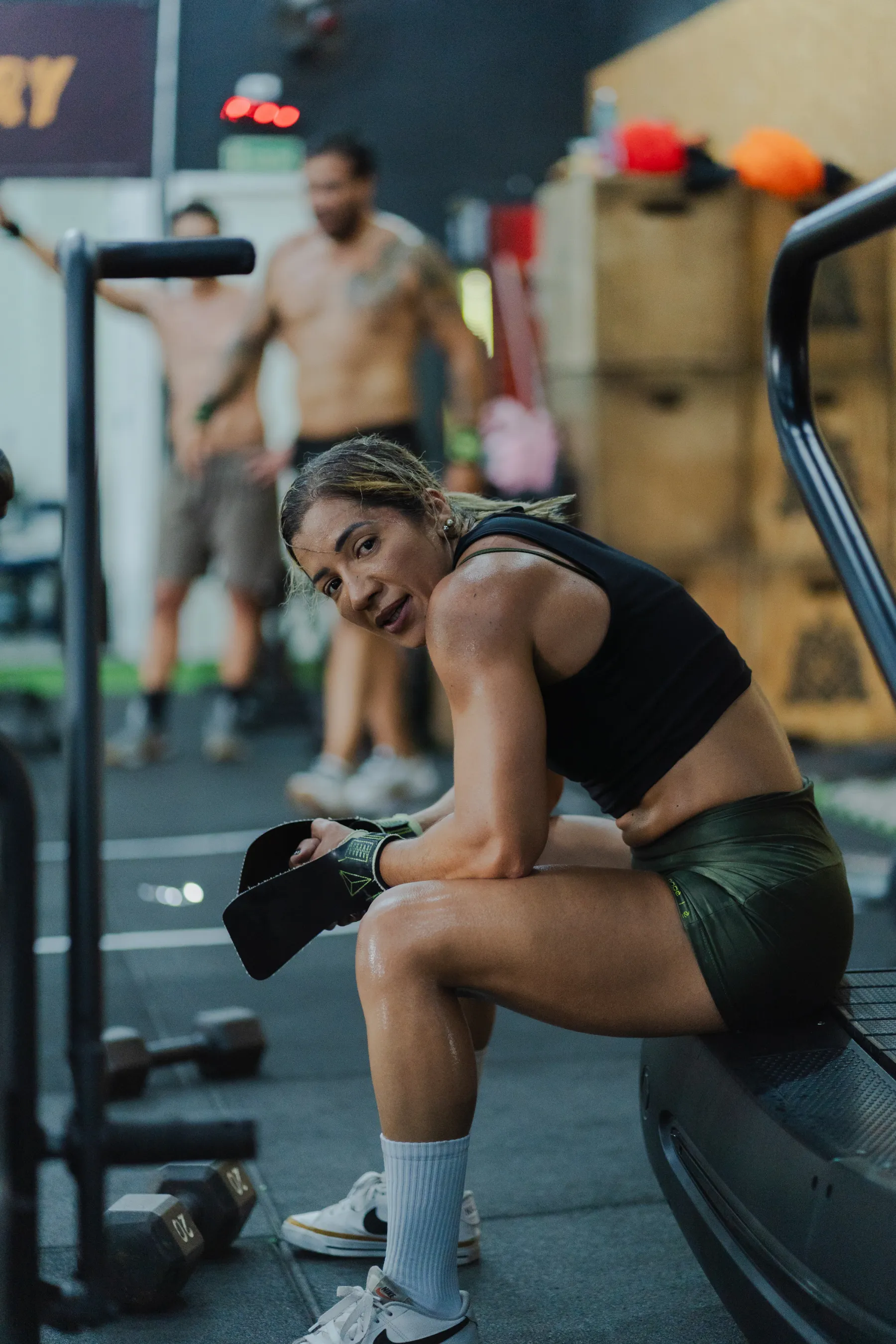 19
19Understand everyday hydration, why one fixed target does not suit every workout, and which context is worth recording.
Read guide 20
20Make training easier to repeat by choosing a realistic promise, reducing friction and reviewing the pattern without all-or-nothing thinking.
Read guideWe use recognised sources and clearly identify estimates. SocialGryd helps you understand patterns in your fitness information, but it does not diagnose conditions or replace professional care.
Log food and workouts, understand your progress and keep moving with guidance that fits real life.