
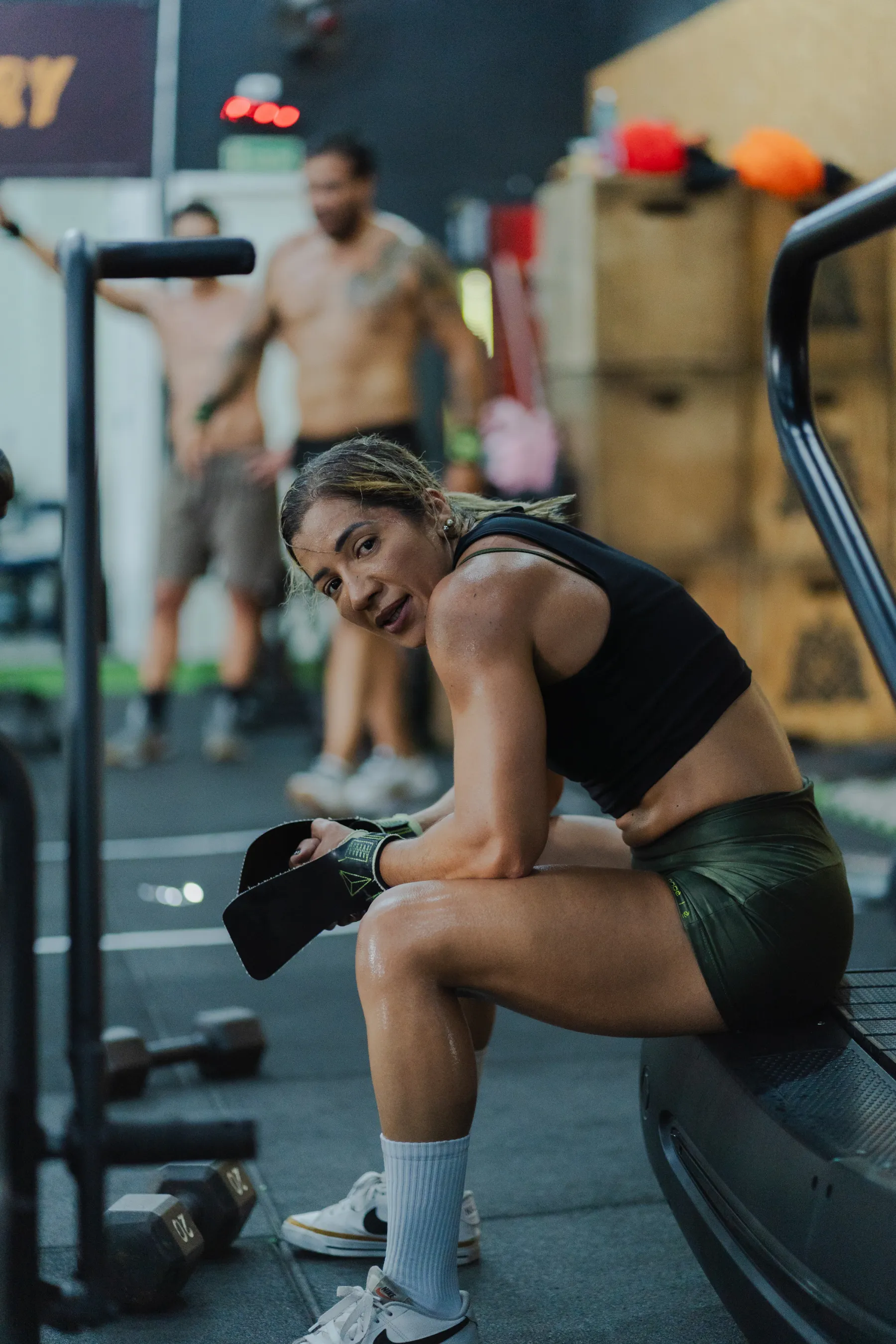
Hydration needs change with body size, weather, sweat rate, session length and intensity. That is why a sensible routine and awareness of the conditions are more useful than one universal workout number.
Start the session normally hydrated
The NHS advises drinking regularly through the day and using urine colour as a practical guide: clear pale yellow generally indicates adequate hydration. You may need more fluid when you are physically active, in hot environments, pregnant, unwell or recovering from illness.
Match the drink to the session
Water is suitable for many everyday workouts. The British Dietetic Association notes that longer-duration exercise, particularly when sweat losses are high, can create a role for drinks containing carbohydrate and electrolytes. That does not mean every short session needs a sports drink.
Sip in a way that feels comfortable rather than forcing large amounts at once. Record heat, duration and how much you drank if you are trying to understand a repeated pattern.
Review recovery as well as the workout
Continue drinking after the session and return to your normal meals and fluids. Headache, dizziness and dark urine can be associated with dehydration, but symptoms can have other causes too. Stop exercise and seek help when you feel unwell or symptoms are concerning.
Sources and further reading
This guide provides general information. Health and exercise needs vary, so seek qualified advice where appropriate.