
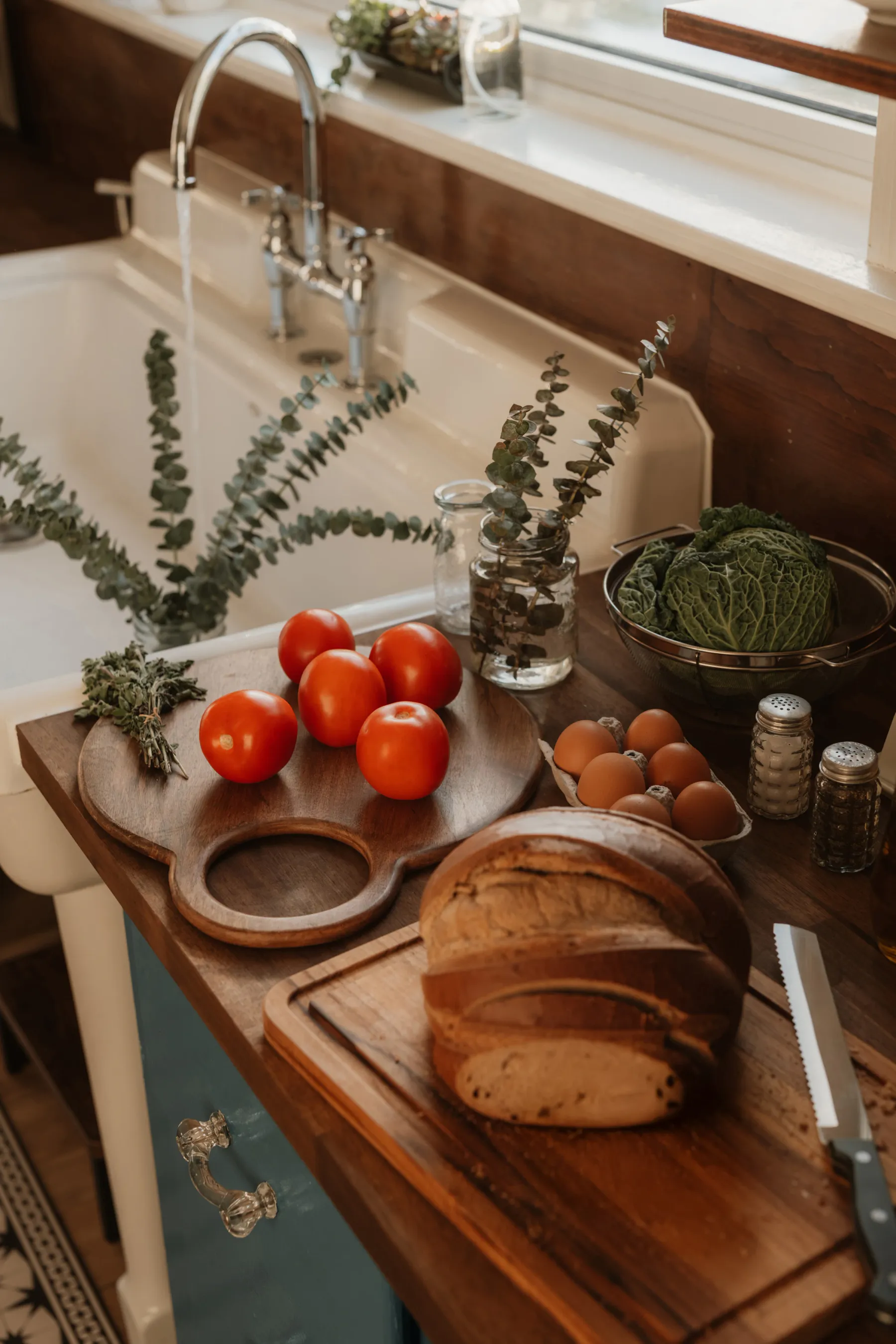
Budget meal prep works better as a flexible system than a row of identical containers. Plan a small set of ingredients that can become different meals, use lower-cost forms where they make sense and leave enough flexibility for the week you are actually going to have.
Build meals from a simple formula
Choose a protein source, a starchy carbohydrate, vegetables or fruit, and a flavour element. The exact balance depends on your needs, preferences and culture, so this is a planning prompt rather than a prescribed diet. A bean and vegetable chilli with rice, for example, can also become a wrap filling or baked-potato topping.
Plan three or four main meals rather than every bite of the week. Leave room for leftovers, social plans and days when your appetite or schedule changes.
Buy ingredients that overlap
Check what you already have, then choose recipes that share the ingredients most likely to be wasted. Frozen vegetables, canned beans, lentils, eggs, seasonal produce and store-brand staples can be useful options. Compare unit prices and read labels rather than assuming a larger pack is always cheaper.
The USDA MyPlate budget guidance recommends planning before shopping, comparing similar products and using foods you already have. Your local prices and dietary needs will determine which swaps genuinely save money.
- One or two protein options that work in several meals.
- A versatile base such as rice, potatoes, pasta or whole grains.
- Fresh produce you will use soon plus frozen or canned backups.
- Two sauces, herbs or spice combinations for variety.
- A short list of quick meals for disrupted days.
Prep components, not only finished meals
Cook a base, prepare vegetables and portion a protein or filling, then combine them differently across the week. This reduces work without forcing every meal to taste the same. Label stored food with the date and follow local food-safety guidance for cooling, refrigeration, reheating and leftovers.
If a full batch session is unrealistic, prepare only the next day's breakfast and lunch. A smaller system that you repeat is more useful than an ambitious plan you abandon.
Log the useful level of detail
Save repeatable recipes or component portions in your food log. When amounts vary, record a reasonable estimate and note the change instead of creating false precision. A photo can help identify visible components, but it cannot know every ingredient or exact quantity.
Review what was eaten, what was wasted and which prep saved time. Use that evidence to make the next shopping list shorter and more personal.
Sources and further reading
This guide provides general information. Health and exercise needs vary, so seek qualified advice where appropriate.